

 See My Latest Article on HelloNation
Home insurance claims are usually denied for a specific reason found in the policy—not simply because the damage is expensive or inconvenient. The most common problems involve exclusions, maintenance issues, missed policy requirements, insufficient documentation, or damage that falls below the deductible.
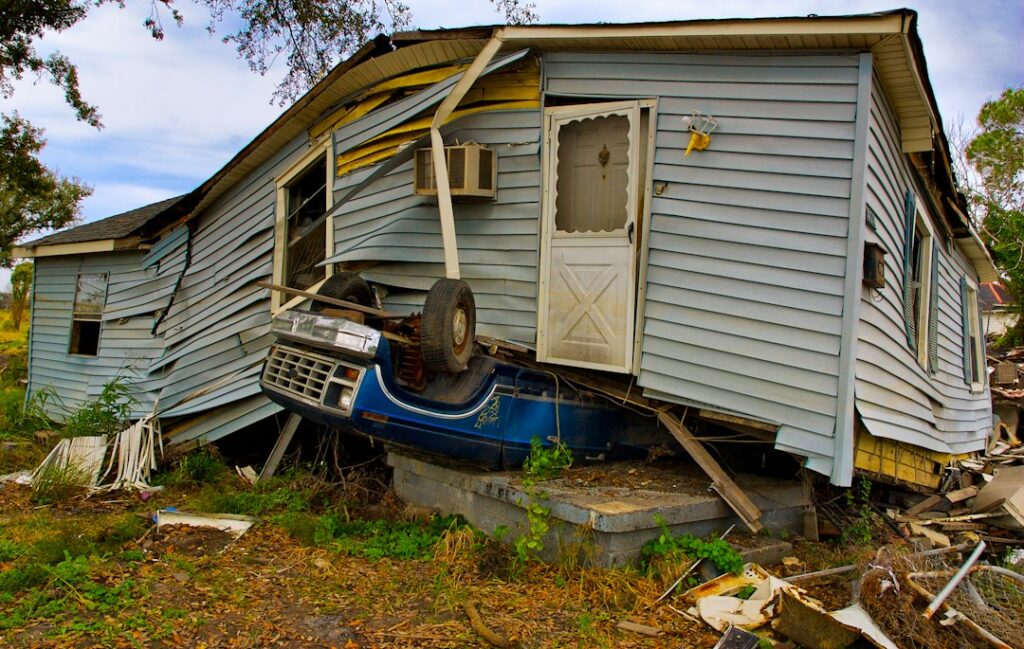
For homeowners in Broken Arrow, storm-related claims deserve particular attention. Strong wind, hail, tornadoes, heavy rain, freezing temperatures, and sewer or drainage problems can affect roofs, siding, windows, fences, plumbing, and personal property. Whether a loss is covered depends on the policy language, the cause of damage, and the steps taken after the event.
Was the cause of damage covered by the policy?
A claim may be denied because the event that caused the damage is excluded. Standard homeowners policies often cover certain sudden events, such as fire, windstorm, hail, theft, or falling objects. They commonly exclude or limit coverage for flood, earth movement, wear and tear, neglect, and some forms of water damage.
Flood is a frequent source of confusion. Water entering a home from rising surface water or overland flooding is generally not covered by a standard homeowners policy. Separate flood insurance may be needed. By contrast, rain entering through a wind-damaged roof or window may be treated differently because the initial damage was caused by wind.
Other examples include:
- Sewer or drain backup may require a separate endorsement.
- Earthquake, landslide, and sinkhole damage may be excluded.
- Mold, rot, repeated seepage, or long-term moisture may have limited coverage.
- Damage to a detached business structure or business equipment may fall outside ordinary limits.
- Certain high-value belongings may have special limits for theft.
The policy’s exclusions and endorsements matter as much as the declarations page. Two homes with similar premiums may have different coverage because of deductibles, optional endorsements, roof provisions, or excluded causes of loss.
Can poor maintenance cause a claim denial?
Yes. Insurance is generally intended to cover sudden and accidental damage, not the cost of correcting an aging or neglected condition.
For example, an insurer may question a claim if an old roof had deteriorated for years before a storm. Hail may have damaged some shingles, but pre-existing cracking, warping, granule loss, or leaks caused by age may not be covered. A plumbing claim may also be disputed if corrosion, repeated leakage, or an unresolved problem existed before the reported incident.
Maintenance-related denial issues can involve:
- Roof deterioration or previous unrepaired storm damage
- Slow leaks behind walls or under flooring
- Termite damage or structural decay
- Cracked foundations or long-term settling
- Failure to protect pipes during freezing weather
- Repeated water intrusion around windows, doors, or flashing
- Failing to make temporary repairs after an earlier loss
This does not mean every older home or roof is uninsurable. It means the policy may pay for the covered event but not for deterioration that existed independently of that event.
What happens if the damage is less than the deductible?
A claim can effectively result in no payment when the covered damage does not exceed the deductible. The deductible is the amount the policyholder pays before insurance contributes.
For example, if covered repairs total $4,000 and the applicable deductible is $5,000, the insurer may determine that no payment is owed. Wind and hail losses may have a separate deductible, sometimes calculated as a percentage of the dwelling coverage rather than a flat dollar amount.
A denied claim and a claim with no payment are not always the same. The first means the loss is not covered or a policy requirement was not met. The second may mean the loss is covered, but the estimated damage does not exceed the deductible.
Why does incomplete documentation create problems?
Insurers need evidence of what happened, when it happened, and what property was damaged. A claim may be delayed or denied if the available information does not adequately support the loss.
Useful documentation can include:
- Photos and videos taken before cleanup or repairs
- The date and approximate time of the event
- Receipts, invoices, and repair estimates
- A list of damaged belongings with purchase dates and replacement costs
- Maintenance records and previous repair information
- Weather observations or official storm information
- Copies of emails, letters, claim numbers, and adjuster reports
A home inventory is especially helpful for contents claims. Without photographs, receipts, serial numbers, or other evidence, it may be difficult to establish that an item existed, determine its value, or distinguish new damage from older wear.
Can waiting too long lead to denial?
It can. Policies usually require prompt notice of a loss, even when the full extent of the damage is not yet known. Waiting may make it harder to determine the cause, increase the damage, or prevent the insurer from inspecting the property.
After a storm, a small ceiling stain may grow into extensive interior damage. A broken window may allow additional rain into the home. Delayed reporting can raise questions about whether later damage resulted from the original event or from a failure to protect the property.
Homeowners should take reasonable steps to prevent additional damage, such as covering a broken window or placing a temporary tarp over a damaged area when it is safe. Permanent repairs should generally wait until the insurer has had a reasonable opportunity to inspect, except when immediate work is necessary for safety or to prevent further loss. Keep receipts for emergency expenses.

Can a claim be denied because the policyholder made a mistake?
Some policy duties are serious enough that failing to follow them can affect coverage. These duties may include providing a statement, submitting a proof of loss, cooperating with the investigation, protecting damaged property, and allowing inspections.
A claim can also be questioned if information is inconsistent or incomplete. Examples include:
- Reporting a different date of loss in different communications
- Leaving out other insurance that may cover the damage
- Disposing of damaged property before it is documented
- Making extensive repairs before an inspection
- Refusing reasonable requests for records or a recorded statement
- Providing unsupported estimates for personal belongings
- Failing to disclose a material change in occupancy or property use
Honest mistakes should be explained promptly. Deliberately misrepresenting facts or inflating a claim can create much more serious coverage problems.
Why are roof and hail claims often disputed?
Roof claims are frequently affected by age, condition, policy wording, and the difference between functional and cosmetic damage. A policy may cover hail damage that affects the roof’s ability to protect the home while limiting coverage for damage that is considered only cosmetic.
The settlement method also matters. Actual cash value subtracts depreciation based on age and condition. Replacement cost coverage may provide additional payment after qualifying repairs or replacement, subject to the policy’s requirements and limits.
Because severe weather is a recurring concern in the community, homeowners should review whether the policy has:
- A separate wind or hail deductible
- A roof-age limitation
- Actual cash value roof coverage
- A cosmetic-damage exclusion
- Requirements for matching materials
- Coverage for ordinance or code-related upgrades
What should someone do after receiving a denial?
A denial is not always the end of the process. Read the letter carefully and identify the exact policy provision the insurer relied on. Ask for an explanation in writing if the reason is unclear. Compare the denial with the policy’s declarations page, exclusions, endorsements, definitions, and conditions.
Gather documents that address the disputed issue, such as photographs, repair records, weather information, receipts, inspection reports, or evidence of temporary repairs. Keep communication factual and organized.
In Oklahoma, a written denial should explain the basis for the decision. If a policyholder believes the insurer did not follow the contract or applicable claims-handling requirements, the matter may be raised with the Oklahoma Insurance Department’s consumer assistance division. That process does not guarantee payment, but it can help clarify whether the insurer’s position is consistent with the policy and state requirements.
The most useful preparation happens before a loss: understand the deductibles, keep an updated inventory, save policy documents, maintain the property, and document repairs. Those steps cannot change an exclusion, but they can reduce confusion when a covered event affects a home.